DV-I1 · Insight
What happens to occupancy status when a loan portfolio changes hands
The status transfers with the file, but the evidence behind it usually does not. The acquirer inherits a field on a tape — a word like vacant or occupied — with no date, no source and no signature attached to it.
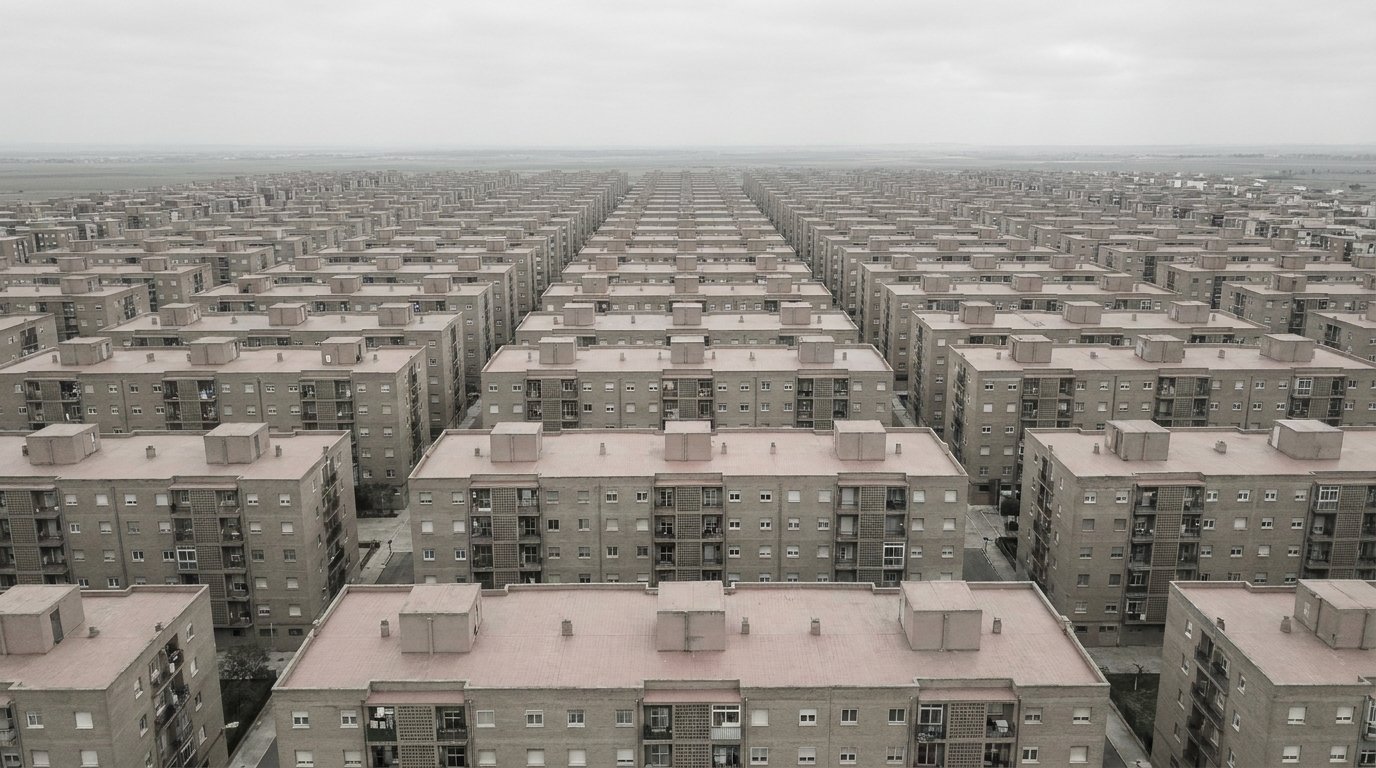
A portfolio trade moves loans, securities and collateral. It does not move proof. The occupancy status carried on each asset arrives as a value in a column. Who observed it, on what date, and by what method is almost never part of the transfer.
So the first question on the acquirer's side is not what the book is worth. It is which of these statuses is still true today.
What the status field actually is
In most tapes, occupancy status is an assertion made once and then carried forward. It was set at origination, at a workout stage, or at the last inspection the seller chose to fund. It was accurate on the day it was set. It has been repeated since.
Repetition is not verification. A status that has been copied across four systems and two owners is not better evidenced than it was the first time. It is only older.
The auditor's question is one sentence long. How do you know this asset is vacant? "The seller said so" is the same answer as "the servicer said so." Neither is evidence.
Why the usual fix does not scale to a traded book
The instinct is to send inspectors. In Iberia a physical inspection costs €228–342 per asset, per check. Its shelf life is one day — it describes the asset as it stood when someone stood in front of it.
At that price, an acquirer cannot inspect a whole book. So a sample gets inspected and the rest gets inferred. Sampling is a budgeting method. It is not a verification method. The assets that move the loss number are rarely the ones the sample happened to catch.
What a dated verdict looks like instead
Domaveri verifies occupancy from an address list. Address, cadastral reference where held, and the status currently carried. Ten assets or ten thousand. No hardware, no installs, no field agent.
Each asset is examined through three independent evidence layers, each sourced, timestamped and geolocated independently. The sources must agree before anything is certified.
- VERIFIED
- The layers agree. The asset is evidenced as carried, with the dates and coordinates printed.
- OCCUPIED
- Activity is evidenced at an asset carried as vacant. Under Module A this returns as an alert on the day it is detected.
- UNKNOWN
- The layers disagree. The asset is flagged, the specific missing source is named, and the resolving pass is scheduled automatically.
UNKNOWN is not a failure of the method. It is the method refusing to guess. Every asset in the pack is either evidenced or explicitly not, and the file shows which.
What the acquirer receives
- One PDF certificate per asset — dated, referenced, signed.
- One machine-readable twin in XML or JSON, with fields adapted to the core system that will hold the book.
- One portfolio roll-up sorted by verdict.
- A method note with every pack: sources, dates, coordinates, chain of custody. Full methodology disclosed under NDA.
When to run it
- 01Pre-filingBefore the inherited status is written into a reporting line that someone will be asked to defend.
- 02Pre-saleBefore the book moves again and the same undated field is passed on a second time.
- 03Pre-auditBefore the question is asked by someone whose job is to ask it.
- 04Then on cycleMonthly or quarterly, so the status carried is never older than the last cycle.
Coverage is live in Spain and Portugal. On instruction, and with a lead time agreed before the scan is accepted: Italy, Greece, Ireland, Cyprus, France, Netherlands. We will tell you what we cannot reach rather than quote for it.
We verify the asset, not the person. The question answered is whether anything is running at the address — never who.
Want an example?
Questions we get asked
- Does occupancy status transfer with the loan file?
- The field transfers. The evidence behind it generally does not. An acquirer typically receives a word in a column without a capture date, a named source or a signature. That is enough to populate a system and not enough to answer an auditor.
- Why not just inspect the assets after acquisition?
- A physical inspection in Iberia costs €228–342 per asset, per check, and describes the asset as it stood for one day. At that price it gets applied to a fraction of the book, and the rest of the status stays inherited and undated.
- What happens when the evidence layers disagree?
- The asset returns UNKNOWN. The specific missing source is named and a resolving pass is scheduled automatically. Nothing is certified on a majority view. Disagreement is reported rather than averaged away.
- How large does the address list need to be?
- Ten assets or ten thousand. The input is the address, the cadastral reference if held, and the status currently carried. No hardware, no installs, no field agent.
- Which countries can be scanned?
- Spain and Portugal are live. Italy, Greece, Ireland, Cyprus, France and the Netherlands run on instruction with a lead time agreed before the scan is accepted. We will tell you what we cannot reach rather than quote for it.
Want an example?